
Introduction
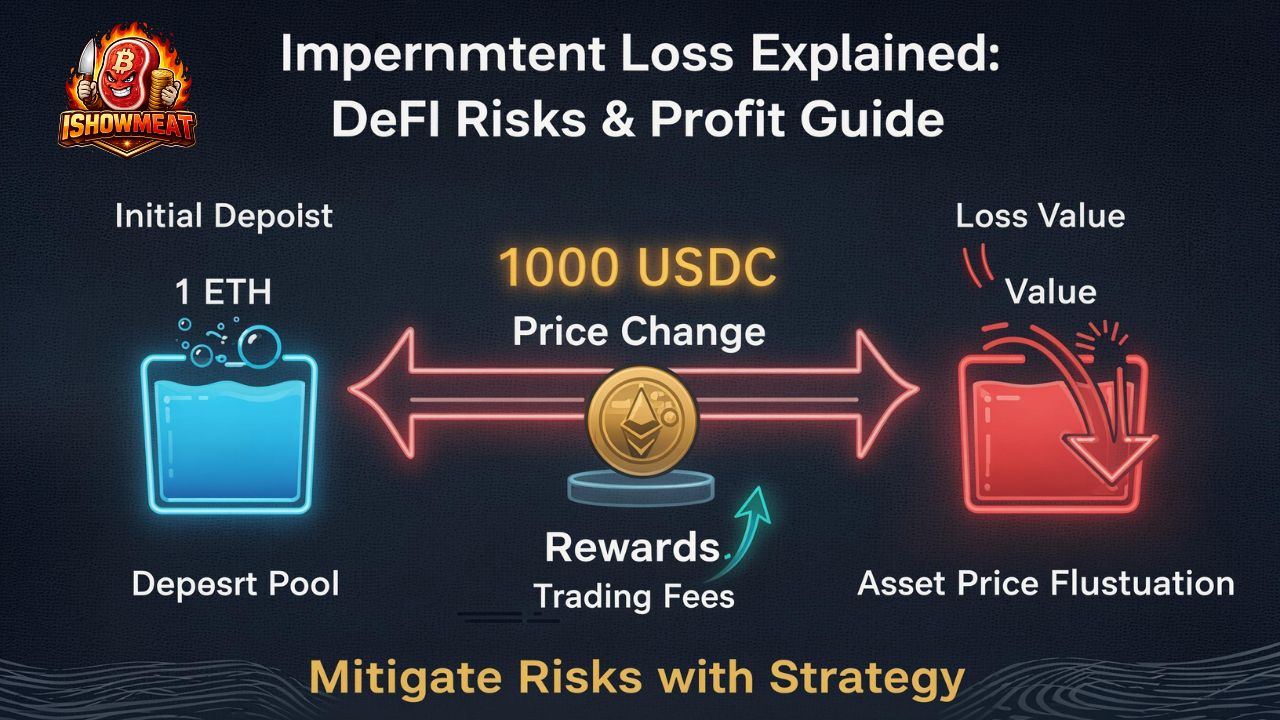
Imagine earning passive income from crypto… only to realize you might actually be losing money without noticing. That hidden risk is called impermanent loss, and it’s one of the most misunderstood concepts in DeFi.
If you’ve ever provided liquidity or considered yield farming, understanding impermanent loss is absolutely essential. It can quietly eat into your profits—even when the market seems to be going up.
In this guide, I’ll break it all down in simple, human language. No complicated formulas (well, maybe a little), no confusion—just clear insights so you can make smarter decisions in decentralized finance.
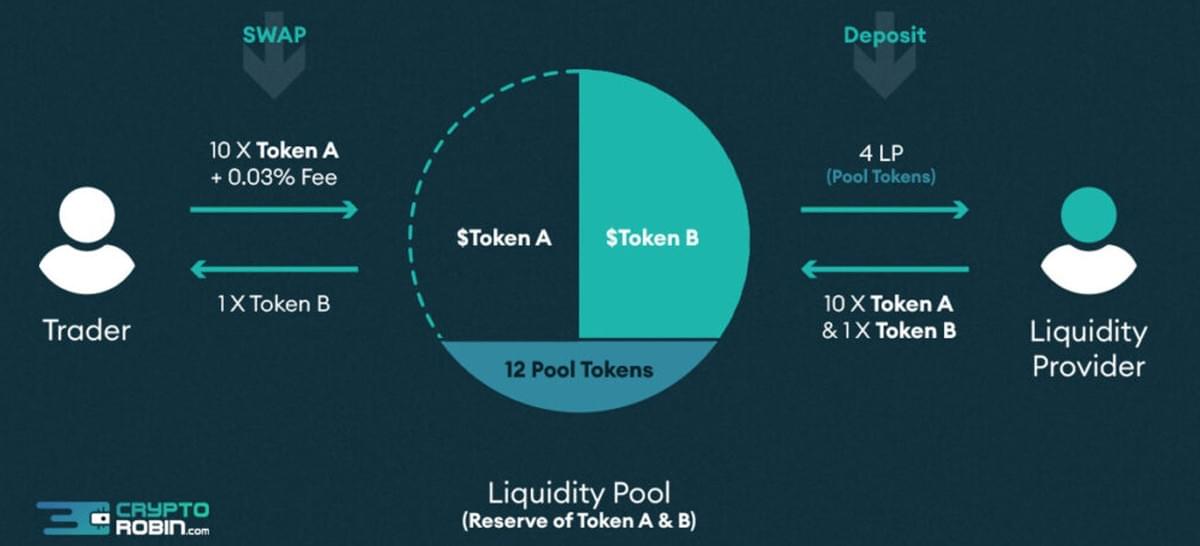
Table of Contents
What Is Impermanent Loss?
How Impermanent Loss Works
Impermanent Loss Explained with Examples
Factors That Cause Impermanent Loss
Impermanent Loss vs Trading Profits
How to Calculate Impermanent Loss
Strategies to Reduce Impermanent Loss
Risks and Rewards of Liquidity Providing
Personal Background & Financial Insights of DeFi Platforms
Frequently Asked Questions
Conclusion
What Is Impermanent Loss?
Let’s start with the basics.
Definition of Impermanent Loss
Impermanent loss occurs when the price of tokens in a liquidity pool changes compared to when you deposited them. The more the price diverges, the greater the loss.
Why It’s Called “Impermanent”
It’s called “impermanent” because:
- The loss is only realized when you withdraw your funds
- If prices return to original levels, the loss disappears
However, here’s the catch:
In reality, prices rarely return exactly to where they started.
How Impermanent Loss Works
To understand impermanent loss, you need to understand liquidity pools.
What Are Liquidity Pools?
Liquidity pools are collections of tokens locked in smart contracts that allow users to trade without a centralized exchange.
Role of Liquidity Providers
When you add funds:
- You deposit two tokens (e.g., ETH and USDT)
- You earn trading fees
- You become a liquidity provider (LP)
Where Loss Happens
As prices change:

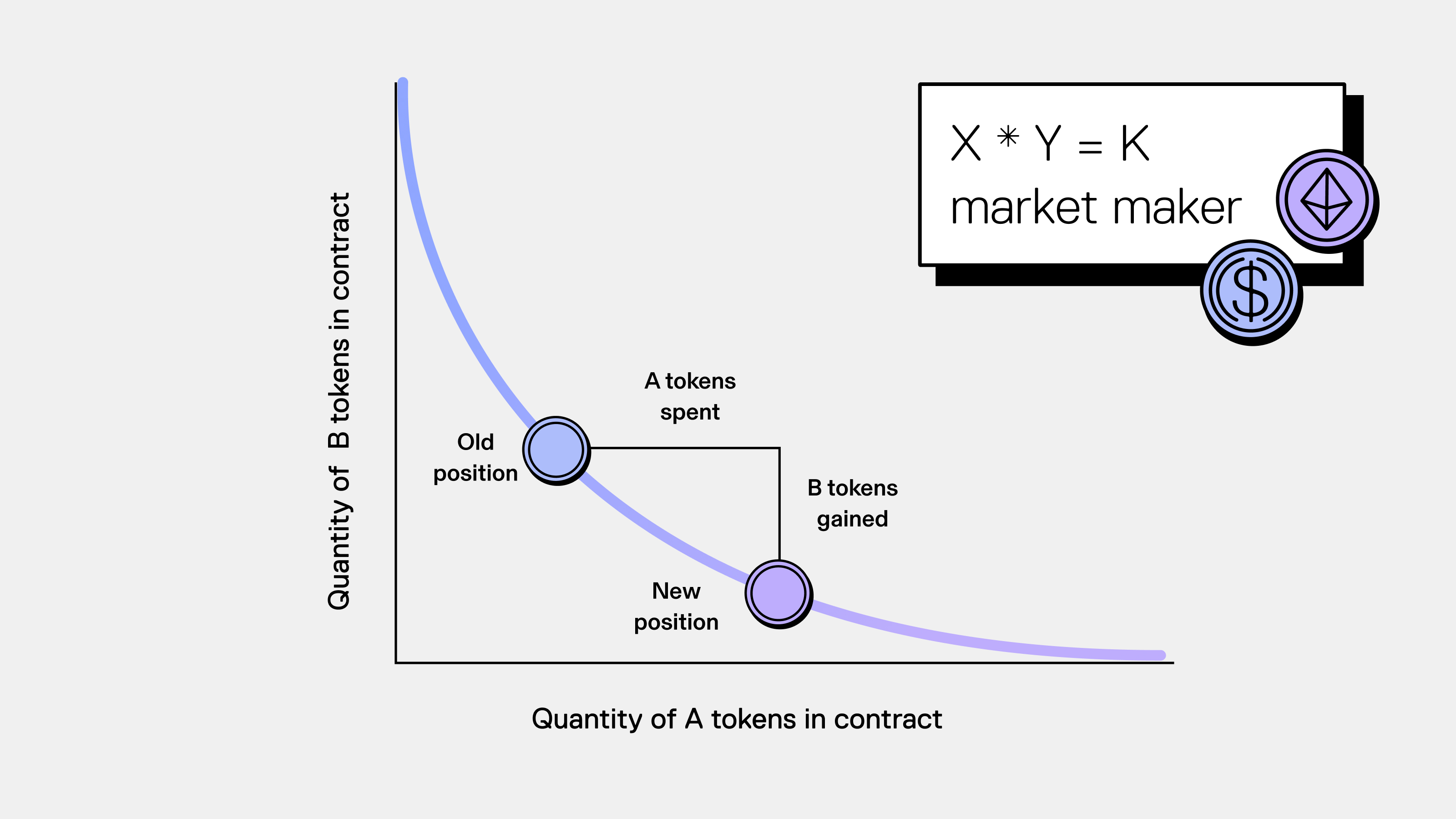
- The pool automatically rebalances
- You end up holding more of the losing asset
- And less of the winning one
That’s where impermanent loss kicks in.
Impermanent Loss Explained with Examples
Let’s make this real.
Example Scenario
You deposit:
- $1,000 ETH
- $1,000 USDT
Total: $2,000
Now imagine ETH doubles in price.
What Happens?
Instead of simply holding ETH:
- The pool rebalances
- You now hold less ETH
- Your total value is lower than if you just held
Quick Comparison
| Scenario | Value |
|---|---|
| Holding ETH | $3,000 |
| Liquidity Pool | ~$2,800 |
That $200 difference?
That’s impermanent loss.
Factors That Cause Impermanent Loss
Several factors influence the severity of impermanent loss.
1. Price Volatility
The bigger the price change, the bigger the loss.
2. Token Pair Selection
Pairs like:
- ETH/USDT → Higher risk
- Stablecoin pairs → Lower risk
3. Market Trends
Trending markets increase divergence between token prices.
4. Trading Volume
Higher volume:
- Generates more fees
- Can offset losses
Impermanent Loss vs Trading Profits
This is where things get interesting.
Can Fees Offset Loss?
Yes—and often they do.
Liquidity providers earn:
- Trading fees
- Incentives (yield farming rewards)
Real Balance
| Factor | Impact |
|---|---|
| Impermanent loss | Negative |
| Trading fees | Positive |
| Rewards | Positive |
Key Insight
Sometimes you still profit—even with impermanent loss—because fees outweigh the loss.
How to Calculate Impermanent Loss
You don’t need to be a math genius—but understanding the basics helps.
Simplified Formula
Loss depends on price ratio change between assets.
Example Percentages
| Price Change | Approx Loss |
|---|---|
| 1.25x | 0.6% |
| 2x | 5.7% |
| 3x | 13.4% |
| 5x | 25.5% |
Practical Tip
Use online calculators to estimate impermanent loss before investing.
Strategies to Reduce Impermanent Loss
Let’s talk about protection.
1. Choose Stable Pairs
Examples:
- USDT/USDC
- DAI/USDT
2. Use Low Volatility Assets
Less price movement = less loss
3. Monitor Market Trends
Exit pools before major volatility spikes.
4. Earn Higher Fees
High-volume pools can compensate losses.
5. Consider Impermanent Loss Protection
Some platforms offer:
- Insurance mechanisms
- Compensation programs
Risks and Rewards of Liquidity Providing
Providing liquidity isn’t just about earning—it’s about balancing risk.
Benefits
- Passive income
- Trading fee earnings
- Exposure to DeFi growth
Risks
- impermanent loss
- Smart contract vulnerabilities
- Market volatility
Emotional Reality
Many investors feel excited at first… then confused when profits don’t match expectations.
That’s normal. DeFi has a learning curve.
Personal Background & Financial Insights of DeFi Platforms
Understanding the ecosystem behind impermanent loss helps you trust (or question) the system.
Background of DeFi
Decentralized Finance (DeFi) emerged around 2020, transforming how people:
- Borrow
- Lend
- Trade
Key Players
Major platforms include:
- Automated market makers (AMMs)
- Decentralized exchanges (DEXs)
- Yield farming protocols
Financial Insights
DeFi platforms generate revenue through:
- Trading fees
- Token incentives
- Liquidity mining
Growth Statistics
At its peak:
- DeFi locked value exceeded billions of dollars
- Millions of users participated globally
That said, growth comes with risk—and impermanent loss is part of that equation.
Frequently Asked Questions
h2 FAQ Section
h3 What is impermanent loss in simple terms?
It’s the loss you experience when token prices change after providing liquidity, compared to just holding them.
h3 Is impermanent loss permanent?
No. It only becomes permanent when you withdraw your funds.
h3 Can you avoid impermanent loss?
Not completely, but you can reduce it by choosing stable pairs and monitoring markets.
h3 Is impermanent loss worse than fees earned?
Not always. In many cases, fees can outweigh the loss.
h3 Why does impermanent loss happen?
It happens due to price changes and automatic rebalancing in liquidity pools.
h3 Which pools have the lowest impermanent loss?
Stablecoin pools usually have the lowest risk.
h3 Is impermanent loss a big risk for beginners?
Yes, especially if they don’t fully understand how liquidity pools work.
h3 Should I still provide liquidity despite impermanent loss?
Yes—but only after understanding the risks and strategies to manage them.
Conclusion
At first glance, DeFi feels like a goldmine—passive income, high yields, endless opportunities. But once you understand impermanent loss, you realize it’s not that simple.
And that’s actually a good thing.
Because informed investors don’t just chase returns—they understand risks. They adapt. They think long-term.
If you take one thing from this guide, let it be this:
Don’t fear impermanent loss—learn how to manage it.
That’s where real profits begin.