
Introduction
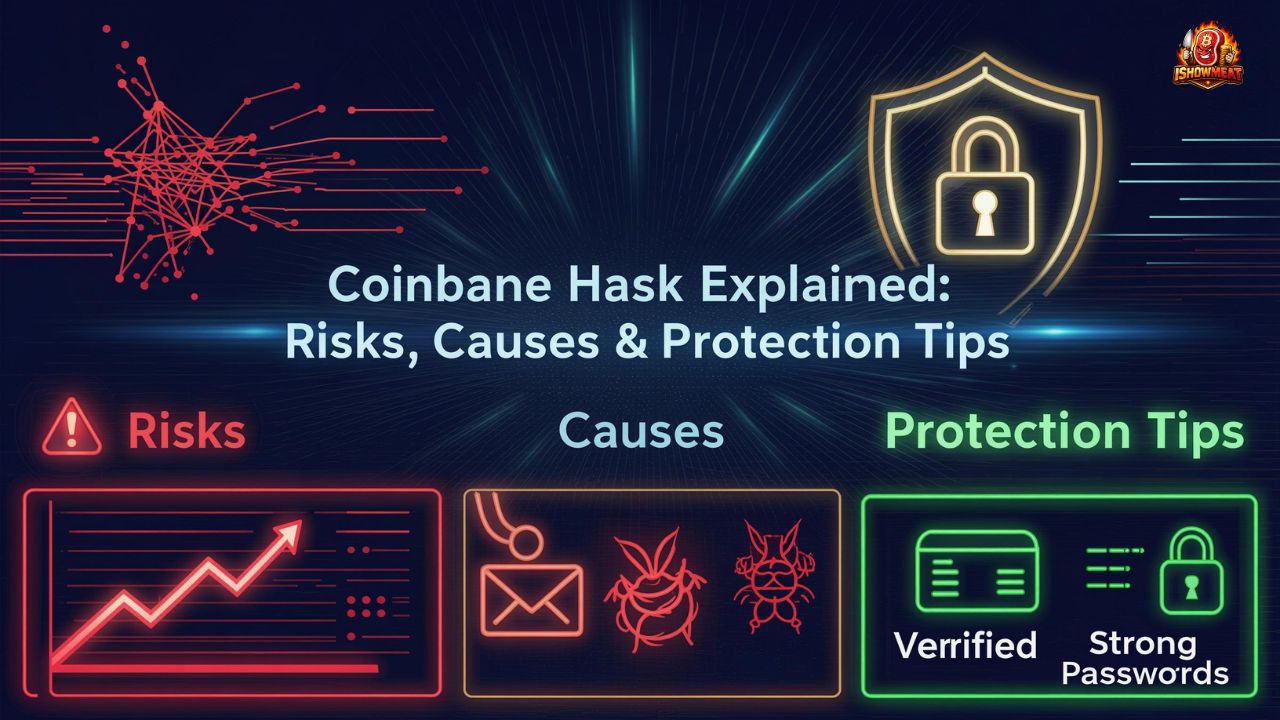
It usually starts with a small moment—an unexpected login alert, a strange email, or a missing balance. A coinbase hack is something many crypto users fear, and for good reason. Unlike traditional banking, crypto transactions move fast, and reversing them can be difficult.
Understanding how a coinbase hack happens is no longer optional. Whether you hold a small amount of crypto or manage large investments, knowing the risks can save you from serious loss.
In reality, most incidents labeled as “hacks” are not direct breaches of Coinbase systems. Instead, they are user-side attacks—phishing, password leaks, or social engineering. That makes awareness your strongest defense.
For a related practical reference on privacy and device cleanup, see Antivirus Review.

Table of Contents
Understanding Coinbase Hack
How a Coinbase Hack Happens
Types of Coinbase Hack Attacks
Signs Your Account May Be Compromised
What to Do After a Coinbase Hack
How to Prevent a Coinbase Hack
Real-Life Scenarios
Financial Impact and Insights
FAQs
Conclusion
Understanding Coinbase Hack
A coinbase hack refers to unauthorized access to a user’s Coinbase account, leading to stolen funds, data exposure, or account misuse.
It’s important to clarify something: Coinbase itself has strong security systems, including cold storage and encryption. Most breaches happen outside their infrastructure—on the user’s device, email, or behavior.

Key Definition
- Coinbase hack = unauthorized account access
- Usually caused by phishing, malware, or weak passwords
- Rarely due to platform-level breaches
How a Coinbase Hack Happens
Phishing Attacks
The most common entry point. You receive an email or message pretending to be Coinbase. It asks you to log in urgently. You click, enter your credentials, and unknowingly hand them over.
Weak Passwords
If your password is simple or reused across sites, attackers can guess or reuse leaked credentials.
SIM Swap Attacks
In this method, hackers trick your mobile provider into transferring your phone number. Once done, they can intercept SMS verification codes.
Malware or Keyloggers
Malicious software records everything you type, including passwords and 2FA codes.
Public Wi-Fi Risks
Logging into Coinbase on unsecured networks can expose your session to attackers.
Types of Coinbase Hack Attacks

Credential Theft
This is the most widespread form. Attackers collect login details via fake websites or data breaches.
API Key Exploits
Some advanced users connect third-party apps. If API keys are exposed, funds can be accessed indirectly.
Social Engineering
Hackers impersonate support staff. They build trust, then ask for sensitive information.
Insider Threats (Rare)
Though uncommon, insider misuse is a theoretical risk in any system.

Signs Your Account May Be Compromised
Recognizing early signs can prevent further damage.
- Unknown login alerts
- Password reset emails you didn’t request
- Missing funds or transactions
- New devices linked to your account
- Disabled 2FA settings
- Strange emails from Coinbase
If you notice even one of these, act immediately.
What to Do After a Coinbase Hack

Step 1: Secure Your Account
Change your password immediately using the official Coinbase website.
Step 2: Enable or Reset 2FA
Switch to app-based authentication if possible.
Step 3: Check Account Activity
Review login history and transaction logs carefully.
Step 4: Contact Coinbase Support
Report the issue quickly. Time matters here.
Step 5: Secure Your Email
Your email is the gateway. Change its password too.
Step 6: Report the Incident
You can report cybercrime to authorities such as IC3 or local agencies.
How to Prevent a Coinbase Hack
Prevention is simpler than recovery. A few habits can make a huge difference.
Strong Password Practices
- Use at least 12–16 characters
- Avoid reuse across platforms
- Include symbols and numbers
Use Two-Factor Authentication
Authenticator apps are safer than SMS.
Avoid Clicking Email Links
Always type the official website manually.
Device Security
Keep your system updated. Install antivirus software.
Limit API Access
Only connect trusted apps. Revoke unused permissions.
Cold Storage Option
For large holdings, consider hardware wallets instead of keeping everything online.
Real-Life Scenarios
Imagine this: You receive an email saying your account is locked. You panic and log in quickly through the link. Within minutes, your crypto is transferred out.
That situation happens more often than people think. Not because users are careless, but because attackers design these traps to feel urgent and real.
On the other hand, users who pause, verify URLs, and double-check messages often avoid these attacks completely.
Financial Impact and Insights
A coinbase hack can have serious financial consequences. Crypto theft is difficult to reverse because transactions are irreversible by design.
Global reports show billions lost annually to crypto scams and hacking incidents. However, the interesting insight is this: most losses are linked to user actions rather than system failures.
That means education, awareness, and habits are more valuable than any single tool.
From a financial perspective:
- Small mistakes can lead to large losses
- Emotional reactions increase risk
- Security habits reduce exposure significantly

FAQs
What is a coinbase hack?
It is unauthorized access to a Coinbase account, usually caused by phishing, weak passwords, or compromised devices.
Can Coinbase itself be hacked?
While no system is 100% immune, Coinbase uses strong security measures. Most incidents happen due to user-side vulnerabilities.
How do hackers access Coinbase accounts?
They use phishing emails, malware, SIM swaps, or leaked credentials.
Can I recover funds after a hack?
Recovery is difficult but not impossible. Reporting quickly improves chances.
Is 2FA enough to stay safe?
It helps a lot, but it should be combined with strong passwords and safe browsing habits.
Should I keep all crypto on Coinbase?
For convenience, yes. For large amounts, consider hardware wallets.
How fast do hackers act after gaining access?
Often within minutes. That’s why quick response is critical.
Are mobile apps safer than browsers?
Both can be safe if used correctly, but avoid logging in on public devices.
Conclusion
A coinbase hack is rarely about breaking systems. It’s about exploiting human behavior—urgency, trust, and small mistakes. That may sound unsettling, but it also means you have control.
By slowing down, verifying everything, and building simple security habits, you can stay far ahead of most threats. Crypto gives you financial freedom, but it also asks for responsibility. The balance between the two is where real safety lives.