
Introduction
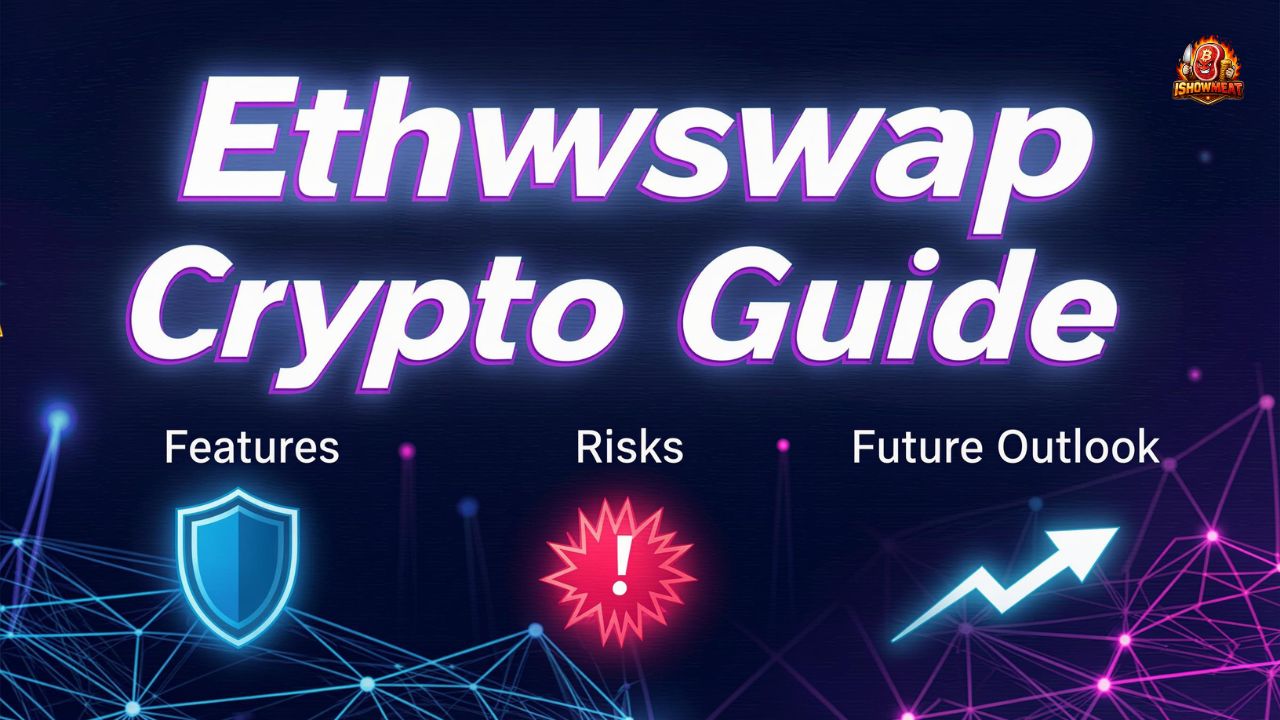
The cryptocurrency world moves fast, and every few months a new platform grabs attention for promising faster transactions, better liquidity, or a smoother decentralized trading experience. Recently, ethwswap crypto has started appearing in online discussions among traders, blockchain enthusiasts, and DeFi investors who are searching for fresh opportunities beyond mainstream exchanges.
At first glance, it may seem like just another crypto project competing in an already crowded market. However, when you look deeper, the platform represents something bigger: the growing demand for decentralized financial systems that give users more control over their digital assets.
In reality, many crypto investors are tired of complicated interfaces, centralized restrictions, and rising transaction fees. That is exactly why decentralized exchange ecosystems continue gaining popularity worldwide. According to DeFiLlama, the total value locked in decentralized finance platforms has remained in the tens of billions of dollars, proving that users still believe in blockchain-based financial tools.
This article explores everything you need to know about ethwswap crypto, including how it works, its potential benefits, risks, trading features, market relevance, security considerations, and future outlook. Whether you are a beginner curious about decentralized exchanges or an experienced investor looking for the next emerging blockchain ecosystem, this guide will help you understand the bigger picture.
Table of Contents
- What Is Ethwswap Crypto?
- How Ethwswap Crypto Works
- Key Features of Ethwswap Crypto
- Why Traders Are Paying Attention to Ethwswap Crypto
- Benefits of Using Decentralized Exchanges
- Risks and Challenges You Should Know
- Security and Wallet Compatibility
- Ethwswap Crypto and the Future of DeFi
- Trading Strategies for Beginners
- Personal Background and Financial Insights Behind the Project
- Frequently Asked Questions
- Conclusion
What Is Ethwswap Crypto?
Understanding the Core Concept
ethwswap crypto is associated with decentralized cryptocurrency swapping and blockchain-based financial activity. Instead of relying on traditional centralized exchanges where a company controls your assets, decentralized swap platforms allow users to trade tokens directly from their crypto wallets.
That difference matters more than many people realize. Centralized exchanges often require identity verification, account approvals, and third-party custody. Decentralized systems, on the other hand, focus on transparency, user ownership, and smart contract automation.
The main goal behind projects like ethwswap crypto is to simplify token trading while maintaining the core principles of blockchain technology:
- Decentralization
- Transparency
- Peer-to-peer transactions
- Wallet ownership
- Smart contract automation
Many investors compare decentralized swap platforms to digital marketplaces where buyers and sellers interact directly without a traditional middleman.
The Growing Importance of DeFi
Decentralized finance, commonly called DeFi, has transformed the blockchain industry over the last few years. Instead of using banks or centralized brokers, users can now:
- Swap cryptocurrencies
- Lend assets
- Earn staking rewards
- Provide liquidity
- Borrow funds
- Participate in governance systems
That shift is particularly important in regions where access to traditional banking remains limited. In countries facing inflation or financial restrictions, decentralized systems give users another way to manage and transfer wealth.
How Ethwswap Crypto Works

Smart Contracts Power the Ecosystem
Like many decentralized exchange systems, ethwswap crypto likely relies on smart contracts. A smart contract is essentially self-executing code stored on a blockchain.
Instead of needing a broker to approve a trade, the blockchain automatically processes transactions when specific conditions are met.
For example:
- A trader connects a wallet.
- The user selects two tokens.
- The smart contract checks liquidity.
- The trade executes automatically.
- Tokens appear in the user’s wallet.
This process can happen within seconds depending on blockchain congestion and network efficiency.
Liquidity Pools Explained
One of the most important parts of decentralized finance is liquidity. Traditional exchanges use order books, but decentralized swap systems often use liquidity pools.
Liquidity pools are collections of tokens locked into smart contracts by users known as liquidity providers.
In exchange for contributing assets, providers may earn:
- Trading fees
- Reward tokens
- Yield farming incentives
- Governance benefits
This model allows decentralized trading to happen continuously without waiting for buyers and sellers to match manually.
Key Features of Ethwswap Crypto
User-Controlled Trading
One reason traders are drawn toward decentralized exchanges is ownership. With ethwswap crypto, users generally maintain control over private keys and wallet access.
That creates a major psychological shift.
Instead of trusting a centralized company with funds, traders directly manage their own assets.
Fast Token Swaps
Speed remains essential in crypto markets because prices can move dramatically within minutes.
Modern decentralized exchanges attempt to minimize delays through:
- Automated market makers
- Improved smart contracts
- Layer-2 scaling technologies
- Optimized blockchain infrastructure
Quick execution helps traders reduce slippage and react faster to market changes.
Accessibility Across Regions
One fascinating aspect of decentralized finance is global accessibility. Someone in Pakistan, Brazil, Nigeria, or Turkey can potentially access the same blockchain tools without relying on local banking systems.
That borderless approach continues attracting younger investors who want alternatives to traditional financial structures.
Transparency on the Blockchain
Every blockchain transaction can usually be verified publicly.
This transparency helps:
- Reduce hidden manipulation
- Build community trust
- Improve accountability
- Verify transaction history
For many investors, transparency is one of the strongest selling points of decentralized ecosystems.
Why Traders Are Paying Attention to Ethwswap Crypto
The Search for New Opportunities
Crypto investors constantly search for projects with strong utility and growth potential. Established assets like Bitcoin and Ethereum still dominate headlines, but many traders also explore smaller ecosystems hoping to identify emerging trends early.
That speculative environment explains why decentralized trading projects often generate online buzz.
Rising Interest in Self-Custody
After several high-profile exchange collapses in recent years, investors became increasingly cautious about storing funds on centralized platforms.
The phrase “not your keys, not your coins” became more popular than ever.
As a result, decentralized wallet-based trading gained momentum because users prefer direct control over assets.
Community-Driven Development
Blockchain projects often succeed because of strong communities rather than advertising alone.
Communities contribute through:
- Social media promotion
- Governance participation
- Liquidity support
- Educational content
- Ecosystem development
A passionate user base can significantly increase a project’s visibility and credibility over time.
Benefits of Using Decentralized Exchanges
Lower Entry Barriers
Many decentralized exchanges allow users to begin trading without extensive registration processes.
For people who value privacy, that simplicity feels refreshing.
Reduced Centralized Risk
Centralized exchanges may experience:
- Hacks
- Frozen withdrawals
- Regulatory shutdowns
- Liquidity crises
- Internal mismanagement
Decentralized systems attempt to reduce dependence on a single controlling authority.
Greater Asset Diversity
DeFi platforms often support a wide range of tokens before they become available on major exchanges.
That gives early adopters exposure to emerging blockchain projects.
However, this advantage also comes with additional risk because not every token survives long term.
Innovation in Financial Technology
The decentralized finance sector evolves rapidly.
Features commonly seen today include:
- Cross-chain bridges
- Yield farming
- DAO governance
- NFT integration
- Automated staking systems
- Multi-chain compatibility
Innovation remains one of the strongest drivers behind DeFi adoption worldwide.
Risks and Challenges You Should Know
Market Volatility
Crypto markets are extremely volatile.
A token can rise 40% in a single day and lose half its value the next week.
Anyone exploring ethwswap crypto should understand that rapid gains often come with equally dramatic risks.
Smart Contract Vulnerabilities
While smart contracts reduce human involvement, poorly coded contracts may contain vulnerabilities.
Hackers frequently target decentralized finance projects because successful exploits can lead to millions of dollars in losses.
Before investing in any platform, traders should research:
- Security audits
- Developer transparency
- Community reputation
- Blockchain activity
- Liquidity levels
Regulatory Uncertainty
Governments worldwide continue debating how decentralized finance should be regulated.
Some countries embrace blockchain innovation while others impose restrictions.
That uncertainty creates both opportunities and concerns for investors.
Scam Projects and Rug Pulls
Unfortunately, the crypto industry still struggles with fraudulent projects.
Warning signs include:
- Anonymous developers
- Unrealistic promises
- Fake partnerships
- Sudden liquidity removal
- Aggressive marketing without transparency
Careful research remains essential before committing funds.
Security and Wallet Compatibility
Choosing the Right Wallet
Wallet compatibility plays a major role in decentralized trading.
Popular wallet options often include:
| Wallet Type | Main Benefit | Risk Level |
|---|---|---|
| MetaMask | Easy browser integration | Moderate |
| Trust Wallet | Mobile-friendly access | Moderate |
| Ledger | Hardware-level security | Low |
| SafePal | Multi-chain support | Moderate |
| Coinbase Wallet | Beginner-friendly design | Moderate |
Hardware wallets remain the safest option for long-term asset storage because they keep private keys offline.
Basic Security Tips
Even experienced traders occasionally make costly mistakes.
To improve security:
- Never share seed phrases
- Use two-factor authentication
- Verify official URLs carefully
- Avoid suspicious smart contracts
- Store large holdings offline
- Double-check wallet permissions
Many crypto thefts occur due to user error rather than blockchain flaws.
Ethwswap Crypto and the Future of DeFi
Expanding Multi-Chain Ecosystems
The future of decentralized finance likely depends on interoperability.
Instead of isolated blockchains competing separately, newer systems increasingly focus on cross-chain functionality.
That means users may eventually move assets seamlessly between:
- Ethereum
- Binance Smart Chain
- Solana
- Avalanche
- Polygon
- Arbitrum
Projects connected to efficient swap infrastructure could benefit from this growing demand.
Institutional Interest Continues Growing
Large financial institutions once dismissed cryptocurrency entirely.
Today, however, major companies and investment firms are actively exploring blockchain technology.
According to reports from PwC and Deloitte, institutional blockchain adoption continues increasing across:
- Banking
- Supply chains
- Insurance
- Gaming
- Digital identity systems
That trend adds long-term credibility to decentralized ecosystems.
Real-World Utility Matters More Than Hype
In earlier crypto cycles, hype alone could temporarily drive prices upward.
Now investors increasingly focus on:
- Real utility
- Transaction efficiency
- Developer activity
- Security infrastructure
- Sustainable tokenomics
Projects with practical applications have a better chance of surviving long-term market cycles.
Trading Strategies for Beginners
Start Small
One of the biggest mistakes beginners make is investing emotionally.
New traders often chase sudden price spikes because of fear of missing out.
Instead, experienced investors recommend starting with smaller positions while learning how decentralized platforms work.
Diversify Your Portfolio
Putting all funds into one token creates unnecessary risk.
A balanced crypto portfolio may include:
- Large-cap assets
- Mid-cap growth tokens
- Stablecoins
- DeFi exposure
- Long-term holdings
Diversification helps reduce emotional decision-making during volatile periods.
Learn Technical Analysis Basics
Even basic chart-reading skills can improve trading decisions.
Key concepts include:
- Support and resistance
- Volume analysis
- Trend lines
- Moving averages
- Relative strength index
That said, no strategy guarantees profits.
Understand Emotional Psychology
Crypto trading is emotional.
Greed and fear often influence markets more than logic.
Successful traders usually focus on discipline rather than excitement.
Personal Background and Financial Insights Behind the Project
The Role of Development Teams in Crypto Success
Unlike traditional companies, decentralized projects often involve distributed teams working globally.
Developers, marketers, liquidity providers, and governance participants may all contribute to ecosystem growth.
In many blockchain communities, transparency about leadership significantly impacts investor trust.
Revenue and Ecosystem Growth
Decentralized exchange platforms typically generate revenue through:
- Transaction fees
- Liquidity incentives
- Staking mechanisms
- Governance participation
- Ecosystem partnerships
As trading volume increases, ecosystem value may also rise.
However, revenue sustainability depends heavily on active users and long-term adoption.
Financial Outlook for Emerging DeFi Platforms
Analysts often evaluate DeFi projects using metrics such as:
- Total value locked (TVL)
- Daily active wallets
- Liquidity depth
- Developer activity
- Token circulation
A project with strong community engagement and consistent development tends to attract more investor confidence over time.
The Psychology Behind Crypto Adoption
Why Younger Investors Prefer Decentralization
Millennials and Gen Z investors are increasingly comfortable with digital finance.
Many grew up using online payment systems, gaming currencies, and mobile banking apps.
Because of that familiarity, blockchain-based financial tools feel less intimidating.
Decentralized systems also align with values many younger users prioritize:
- Financial independence
- Transparency
- Global accessibility
- Reduced institutional control
Social Media’s Influence on Crypto Trends
Platforms like X, Reddit, YouTube, and Telegram heavily influence crypto sentiment.
A single viral discussion can suddenly increase interest in a project overnight.
However, emotional hype can also create dangerous bubbles.
Smart investors separate community enthusiasm from actual utility.
Common Misconceptions About Ethwswap Crypto
“All DeFi Platforms Are the Same”
This is one of the biggest misunderstandings in the blockchain space.
Every decentralized platform differs in:
- Smart contract structure
- Security systems
- Liquidity depth
- Transaction speed
- Governance design
Small technical differences can dramatically affect user experience.
“Decentralized Means Completely Safe”
Decentralization improves transparency, but it does not eliminate risk.
Users remain responsible for wallet security, transaction approvals, and research.
In many cases, personal responsibility increases in decentralized systems.
“Crypto Is Only for Tech Experts”
A few years ago, decentralized trading platforms felt intimidating for beginners.
Today, interfaces are becoming much simpler.
Wallet connections, swap systems, and educational tools are improving rapidly, making crypto more accessible to ordinary users.
How Global Economic Trends Affect DeFi Markets
Inflation and Currency Concerns
In countries experiencing inflation or currency instability, cryptocurrencies sometimes become attractive alternatives.
People may use digital assets to:
- Protect purchasing power
- Transfer money internationally
- Access global markets
- Avoid banking restrictions
That macroeconomic pressure contributes to long-term DeFi growth.
The Rise of Web3 Economies
Web3 aims to create internet systems where users control assets, identities, and participation rather than relying entirely on centralized corporations.
Decentralized exchanges represent a major component of this movement.
As Web3 expands, swap-based ecosystems may continue gaining relevance.
FAQ Section
What is ethwswap crypto used for?
ethwswap crypto is generally associated with decentralized token swapping, allowing users to trade digital assets directly from their wallets without relying on centralized exchanges.
Is ethwswap crypto safe for beginners?
It can be relatively safe if users follow strong security practices such as using trusted wallets, verifying smart contracts, and avoiding suspicious links.
Do I need a centralized exchange account to use ethwswap crypto?
In most decentralized systems, users can trade directly through compatible crypto wallets without creating traditional exchange accounts.
Which wallets work best with decentralized swap platforms?
Popular options include MetaMask, Trust Wallet, Ledger, SafePal, and Coinbase Wallet.
Can I earn passive income through decentralized finance?
Some DeFi platforms offer staking, liquidity farming, and yield generation opportunities. However, rewards usually come with financial risks.
Why are decentralized exchanges becoming popular?
Many investors prefer direct wallet ownership, fewer restrictions, improved transparency, and global accessibility.
Is ethwswap crypto a long-term investment?
That depends on ecosystem growth, adoption, developer activity, and overall market conditions. Like all crypto assets, it carries significant volatility.
What are the biggest risks in DeFi trading?
Major risks include market crashes, smart contract vulnerabilities, rug pulls, liquidity problems, and regulatory uncertainty.
Can governments regulate decentralized finance?
Governments are increasingly exploring crypto regulations, though enforcement can be difficult in decentralized ecosystems.
Conclusion
The rise of decentralized finance has permanently changed how people think about money, ownership, and online financial systems. While traditional banking still dominates the global economy, blockchain technology continues opening new doors for investors seeking flexibility, transparency, and independence.
ethwswap crypto reflects that broader transformation. It represents the growing appetite for peer-to-peer financial ecosystems where users maintain greater control over assets and transactions.
At the same time, it is important to remain realistic. The crypto market remains volatile, emotionally driven, and highly speculative. Success in decentralized finance usually depends on patience, education, careful research, and disciplined decision-making rather than blind hype.
For curious investors willing to learn, decentralized exchanges offer fascinating insight into the future of digital finance. Whether ethwswap crypto becomes a major long-term player or simply part of a larger DeFi evolution, one thing is clear: decentralized technology is no longer a niche experiment. It is rapidly becoming part of the global financial conversation.