
Introduction
In a world obsessed with numbers, metrics, and performance dashboards, a curious idea has started circulating online—Disquantified org Explained. At first glance, the term sounds technical or mysterious. But when you dig deeper, it reveals something far more interesting: a conversation about how we measure knowledge, value, and human experience in the digital age.
Think about how much of modern life is quantified. Social media measures likes. Fitness apps track steps. Businesses analyze engagement, reach, and conversion rates. Yet not everything meaningful can be reduced to numbers. This is where the concept behind Disquantified org Explained becomes relevant. It challenges the idea that everything must be measured to matter.
Understanding this topic isn’t just about decoding a strange internet phrase. It’s about exploring how digital communities question data culture, rethink metrics, and search for deeper meaning beyond numbers. If you’ve ever wondered whether algorithms and statistics truly capture human value, this topic will resonate with you.
Table of Contents
What Is Disquantified org Explained
The Philosophy Behind Disquantification
Origins of the Disquantified Concept
Why Modern Society Obsessively Quantifies Everything
The Role of Disquantified Communities Online
Real-World Examples of Disquantified Thinking
Personal Background and Conceptual Development
Benefits and Criticisms of Disquantification
Future of the Disquantified Movement
FAQ
Conclusion
What Is Disquantified org Explained
The phrase Disquantified org Explained generally refers to understanding the idea of “disquantification,” a concept that questions the dominance of metrics and numerical measurement in digital culture.
In simple terms, disquantification suggests that not everything important can be measured through numbers or data points.

Core Definition
Disquantification means:
- Reducing dependence on metrics and analytics
- Prioritizing qualitative experiences over numerical evaluation
- Emphasizing meaning, context, and human judgment
For example:
| Quantified Approach | Disquantified Perspective |
|---|---|
| Social media success measured by likes | Success measured by meaningful conversations |
| Education judged by test scores | Education judged by creativity and curiosity |
| Productivity measured by hours worked | Productivity measured by impact |
In essence, Disquantified org Explained highlights a shift in thinking—from numbers to narratives.
The Philosophy Behind Disquantification
The philosophy behind disquantification is deeply connected to several modern intellectual movements:
- Digital minimalism
- Information ethics
- Post-data philosophy
- Human-centered technology
The Limits of Metrics
Metrics are useful, but they have limits.
For instance:
- A teacher may inspire students deeply without improving standardized test scores.
- A piece of art may change someone’s life without generating high engagement statistics.
- A conversation may be meaningful even if it produces no measurable output.
Disquantified thinking argues that numbers often capture surface-level signals rather than deeper value.
Human Experience vs Algorithms
Algorithms rely heavily on measurable signals:
- clicks
- views
- engagement time
- conversion rates
But human experiences include emotions, intuition, creativity, and relationships—things that cannot always be quantified.
This is a key reason why the discussion around Disquantified org Explained continues to gain attention among digital thinkers.
Origins of the Disquantified Concept
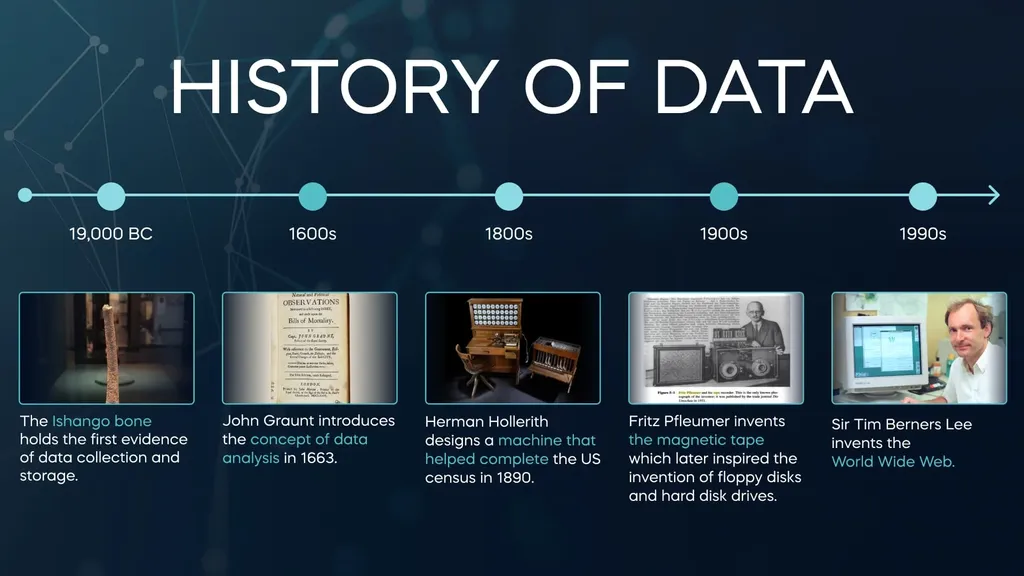
The roots of disquantification can be traced back to earlier intellectual traditions.
1. Industrial Measurement Culture
During the Industrial Revolution, efficiency and productivity were measured heavily.
Factories tracked:
- output per hour
- worker productivity
- manufacturing speed
This created a culture where numerical measurement became synonymous with progress.
2. The Data Revolution
Fast-forward to the digital era.
Companies began tracking everything:
- website traffic
- user behavior
- click-through rates
- engagement metrics
This led to the rise of “data-driven decision making.”
3. Pushback from Scholars and Technologists
In the 2010s, researchers began warning about the dangers of over-reliance on data metrics.
Critics argued that:
- metrics can be manipulated
- numbers may oversimplify complex realities
- data systems may reinforce bias
This intellectual pushback helped shape conversations like Disquantified org Explained.
Why Modern Society Obsessively Quantifies Everything
Modern technology makes measurement easy.
Almost every digital action produces data.
Examples include:
- steps counted by smartwatches
- screen time recorded by smartphones
- productivity tracked by workplace software
Psychological Reasons
Humans like numbers because they provide certainty.
Numbers create:
- a sense of control
- clear comparisons
- measurable progress
However, this can lead to “metric fixation.”
The Problem with Metric Fixation
When people chase metrics rather than meaning, problems emerge.
For example:
- Social media creators chase engagement instead of authentic communication.
- Students memorize answers instead of learning deeply.
- Businesses optimize short-term metrics while ignoring long-term impact.
Understanding Disquantified org Explained helps highlight these tensions.
The Role of Disquantified Communities Online
Online communities often challenge mainstream data culture.

Some communities focus on:
- slow productivity
- creative thinking
- digital wellbeing
- knowledge exploration
These spaces value ideas over metrics.
Characteristics of Disquantified Platforms
Platforms inspired by disquantification often emphasize:
- thoughtful discussion
- long-form content
- minimal algorithmic ranking
- community moderation
Examples include:
- independent research forums
- philosophical blogs
- digital minimalism communities
Instead of chasing viral numbers, these spaces prioritize intellectual depth.
Real-World Examples of Disquantified Thinking

Disquantified thinking already appears in everyday life.
Example 1: Education Reform
Many schools are experimenting with:
- portfolio-based assessment
- project-based learning
- narrative feedback
These approaches emphasize learning experiences rather than numerical grades.
Example 2: Creative Work
Artists rarely measure success purely through numbers.
A writer might consider success to be:
- emotional impact on readers
- storytelling depth
- cultural influence
Example 3: Digital Wellbeing
Some people intentionally reduce metric exposure by:
- hiding social media likes
- disabling analytics dashboards
- limiting productivity tracking apps
This shift aligns with the philosophy behind Disquantified org Explained.
Personal Background and Conceptual Development
Although Disquantified org Explained does not refer to a specific celebrity or public figure, the idea draws from thinkers in several disciplines.
Influential Fields
Scholars contributing to this philosophy often come from:
- sociology
- digital humanities
- philosophy of technology
- behavioral economics
Intellectual Journey
The concept evolved gradually through:
- academic research questioning metric-driven culture
- public debates about social media algorithms
- growing concerns about data surveillance
Together, these discussions shaped the broader idea of disquantification.
Financial Perspective
Unlike commercial platforms that monetize data analytics, disquantified initiatives often prioritize community value over profit.
Some operate as:
- open knowledge projects
- non-profit research collectives
- independent digital communities
This makes their “net worth” less about financial value and more about intellectual influence.
Benefits and Criticisms of Disquantification
Potential Benefits
- Better Creativity
Without metric pressure, creators may experiment more freely.
- Improved Mental Health
Constant measurement can create anxiety.
Reducing metric obsession may improve wellbeing.
- Deeper Learning
People focus more on understanding rather than scoring.
Criticisms
However, critics argue that disquantification has limitations.
Lack of Accountability
Metrics often help measure progress.
Without them, evaluation becomes subjective.
Difficulty in Decision-Making
Organizations rely on data to guide decisions.
Removing metrics entirely could create confusion.
The truth likely lies somewhere between the two extremes.
Future of the Disquantified Movement
Interest in disquantification may grow as digital culture evolves.
Several trends support this possibility.
1. AI and Data Saturation
As artificial intelligence produces massive amounts of data, people may become overwhelmed by metrics.
This could push society toward more qualitative evaluation methods.
2. Ethical Technology Movement
Technology ethics researchers increasingly question:
- algorithmic bias
- surveillance capitalism
- attention economy design
These discussions intersect with ideas explored in Disquantified org Explained.
3. Digital Wellness Trends
More people are adopting practices like:
- digital detox
- slow media consumption
- mindful technology use
All of these reflect a shift away from constant quantification.
FAQ
What does Disquantified org Explained mean?
It refers to understanding the concept of disquantification, which challenges the idea that everything important must be measured with numbers.
Is Disquantified org Explained related to a real organization?
The phrase often appears as a topic or concept rather than a widely known formal organization.
Why are people interested in disquantification?
Many believe modern culture relies too heavily on metrics, leading to shallow evaluation of complex human experiences.
Can businesses operate without metrics?
Not entirely. Most experts suggest balancing quantitative data with qualitative insight rather than eliminating metrics completely.
Is disquantification anti-technology?
No. It focuses on using technology more thoughtfully rather than abandoning it.
Does disquantification relate to digital minimalism?
Yes. Both movements emphasize intentional technology use and reducing unnecessary data tracking.
How can individuals apply disquantified thinking?
They can focus more on:
- meaningful goals
- creativity
- personal growth
instead of obsessively tracking numbers.
Will the disquantified philosophy grow in popularity?
As data culture continues expanding, discussions like Disquantified org Explained may become more relevant.
Conclusion
Modern society runs on numbers. We measure productivity, popularity, influence, and even happiness through data. Yet human life has always been richer and more complicated than any dataset can capture.
The idea behind Disquantified org Explained invites us to rethink our relationship with metrics. Instead of rejecting data entirely, it encourages balance—recognizing when numbers help us and when they limit our understanding.
In reality, the most valuable parts of life—creativity, relationships, curiosity, and meaning—often resist quantification. By exploring these ideas, we begin to see that progress isn’t always about bigger numbers. Sometimes, it’s about deeper understanding.