

Introduction
Few things are more frustrating than trying to access a website or digital service only to face a mysterious error message. Among these confusing technical issues, 8379xnbs8e02328ws loading failure has become a term that many users search when a page refuses to load properly.
In simple terms, 8379xnbs8e02328ws loading failure typically refers to a technical loading error related to server responses, browser conflicts, network issues, or application configuration problems. While the code may look complex and random, the underlying causes are usually easier to diagnose than most people expect.
The modern internet relies on countless systems working together—servers, databases, APIs, browsers, and network protocols. When even one of these components fails or responds incorrectly, users may encounter unexpected loading failures.
Understanding what causes these errors and how to fix them can save time, reduce frustration, and help both users and developers maintain smooth digital experiences.

Table of Contents
What Is 8379xnbs8e02328ws Loading Failure?
How Website Loading Errors Occur
Common Causes of 8379xnbs8e02328ws Loading Failure
Browser-Related Issues
Server and Hosting Problems
Network and Internet Connection Errors
Step-by-Step Troubleshooting Guide
Developer Perspective: Debugging Loading Failures
Preventing Future Loading Errors
Real-World Examples of Loading Failures
FAQ
Conclusion
What Is 8379xnbs8e02328ws Loading Failure?
The term 8379xnbs8e02328ws loading failure generally refers to an application or website error that prevents content from loading successfully.
These types of codes often appear when:
- a web page fails to communicate with the server
- scripts fail to execute correctly
- browser resources are blocked
- network connections are interrupted
In many cases, such error codes are generated by backend systems or web applications to help developers identify the source of a problem.
However, for regular users, the code itself usually doesn’t explain much. Instead, users see symptoms such as:
- blank pages
- incomplete loading screens
- error messages
- failed requests
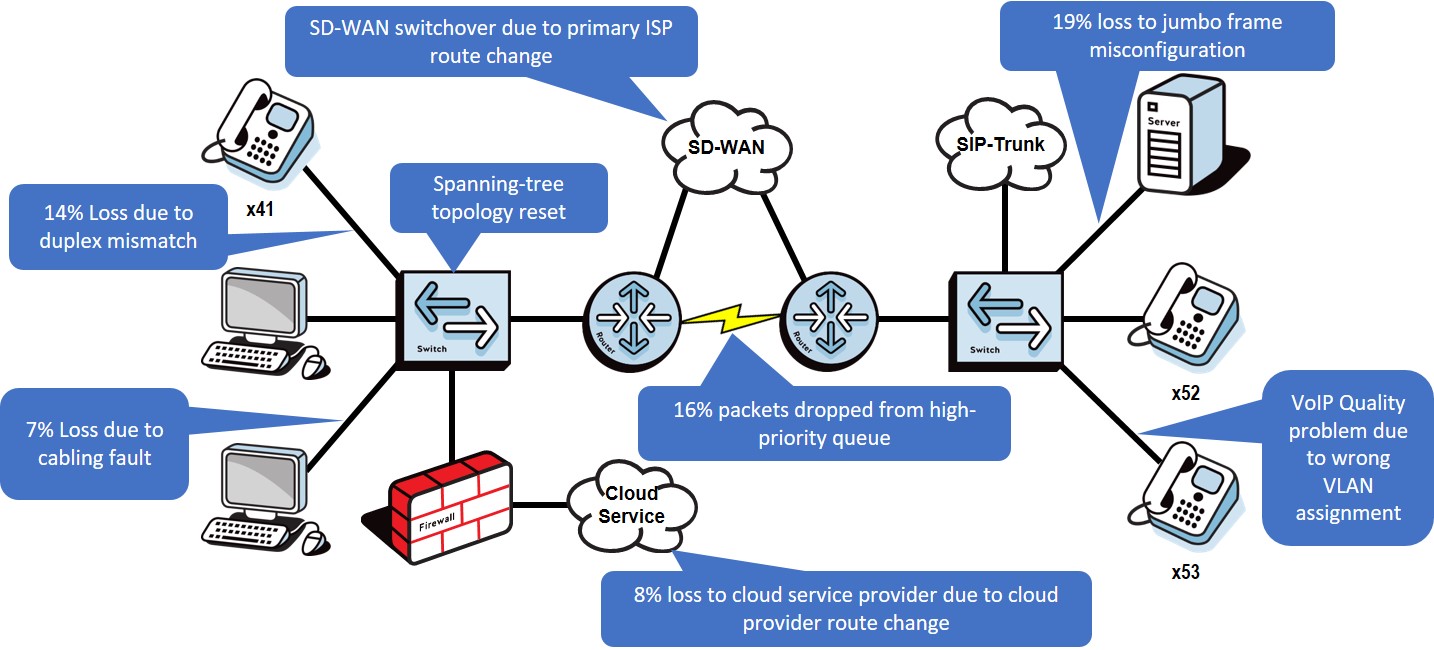
Understanding what causes these failures helps determine the correct solution.
How Website Loading Errors Occur
Before exploring solutions, it helps to understand how web pages actually load.
Every time you open a website, several processes occur simultaneously.
Step 1: Browser Request
Your browser sends a request to a server asking for a specific webpage.
Step 2: Server Processing
The server processes the request and gathers resources such as:
- HTML files
- CSS stylesheets
- JavaScript scripts
- database data
Step 3: Response Delivery
The server sends these resources back to your browser.
Step 4: Page Rendering
The browser combines all elements and displays the page.
If anything interrupts these steps, a loading failure may occur.
Common Causes of 8379xnbs8e02328ws Loading Failure
Many factors can trigger a 8379xnbs8e02328ws loading failure error.
Below are some of the most common causes.
Server Downtime
If a website’s server becomes overloaded or temporarily offline, requests cannot be processed properly.

Common reasons include:
- high traffic spikes
- server maintenance
- hosting outages
Corrupted Cache Files
Browsers store cached data to load websites faster. However, corrupted cache files can cause pages to malfunction.
JavaScript Execution Errors
Many modern websites rely heavily on JavaScript. If scripts fail to run correctly, the page may stop loading.
Plugin Conflicts
Browser extensions or plugins sometimes interfere with website scripts or network requests.
API Communication Errors
Some websites rely on external APIs to retrieve data. If these services fail, page loading can break.
Browser-Related Issues
Browsers themselves are often responsible for loading errors.
Outdated Browser Versions
Old browser versions may not support modern web technologies.
Updating the browser frequently resolves compatibility issues.
Cached Data Conflicts
Clearing browser cache often fixes loading problems.
Steps typically include:
- Open browser settings
- Navigate to privacy or history section
- Clear cached files and cookies
Extension Conflicts
Certain extensions may block scripts or network requests.
Disabling extensions temporarily can help identify conflicts.
Server and Hosting Problems

Servers play a crucial role in website performance.
If a hosting environment experiences issues, loading failures may occur.
Server Resource Limitations
Limited CPU, memory, or bandwidth can slow down or interrupt requests.
Database Failures
Many dynamic websites rely on databases.
If the database becomes corrupted or overloaded, pages may fail to load.
Misconfigured Server Settings
Incorrect server configurations can block certain scripts or API calls.
Developers often diagnose these issues using server logs.
Network and Internet Connection Errors
Internet connectivity problems can also cause loading failures.
Unstable Internet Connection
Slow or unstable networks can interrupt data transfers.
DNS Resolution Errors
DNS servers translate domain names into IP addresses.
If DNS fails, the browser cannot locate the server.
Firewall Restrictions
Corporate networks or security firewalls may block certain requests.
Step-by-Step Troubleshooting Guide
When encountering 8379xnbs8e02328ws loading failure, users can try several troubleshooting steps.
| Step | Action |
|---|---|
| 1 | Refresh the webpage |
| 2 | Clear browser cache and cookies |
| 3 | Disable browser extensions |
| 4 | Restart browser or device |
| 5 | Check internet connection |
| 6 | Try another browser |
| 7 | Contact website support if issue persists |
These steps resolve most loading failures quickly.
Developer Perspective: Debugging Loading Failures
Developers use specialized tools to diagnose loading problems.

Browser Developer Tools
Modern browsers include built-in debugging tools.
These tools allow developers to inspect:
- network requests
- script errors
- console logs
Server Logs
Server logs record detailed information about requests and errors.
Developers analyze these logs to identify root causes.
Performance Monitoring Tools
Advanced monitoring systems track:
- server response times
- API performance
- system resource usage
These insights help prevent recurring failures.
Preventing Future Loading Errors
Preventing loading failures requires proactive optimization.
Regular Website Maintenance
Maintaining servers, updating software, and monitoring performance reduce risks.
Optimizing Page Performance
Faster websites are less likely to experience loading problems.
Common optimizations include:
- compressing images
- minimizing scripts
- using content delivery networks (CDNs)
Implementing Error Monitoring
Monitoring systems can alert developers when errors occur.
This allows quick fixes before users experience problems.
Real-World Examples of Loading Failures
Loading errors affect websites of all sizes—from small blogs to global platforms.
Example: E-commerce Website
An online store experiencing heavy traffic during a sale may overload its servers, causing page loading failures.
Example: Social Media Platform
A misconfigured API call can prevent user feeds from loading.
Example: Web Application
A coding error in JavaScript may stop an entire dashboard from rendering.
These examples illustrate how different technical factors contribute to loading failures.
FAQ
What is 8379xnbs8e02328ws loading failure?
8379xnbs8e02328ws loading failure refers to a technical error where a webpage or application fails to load due to server, browser, or network issues.
Why does this loading error occur?
The error can occur due to server downtime, browser cache problems, network connectivity issues, or software conflicts.
Can clearing browser cache fix loading failures?
Yes. Clearing cached data often resolves loading problems caused by outdated or corrupted files.
Is this error related to internet connection problems?
In some cases, unstable internet connections can trigger loading failures.
How can developers diagnose loading errors?
Developers typically analyze server logs, browser developer tools, and network request data to identify root causes.
Are loading failures common on modern websites?
Yes. Even large platforms occasionally experience loading issues due to complex system dependencies.
Can outdated browsers cause loading errors?
Yes. Older browsers may not support modern web technologies required for certain websites.
When should I contact website support?
If troubleshooting steps do not resolve the issue, contacting the website’s support team may help identify server-side problems.
Conclusion
Website errors can feel intimidating, especially when they appear as unfamiliar codes like 8379xnbs8e02328ws loading failure. However, most loading issues are caused by common technical factors such as browser conflicts, server problems, or unstable network connections.
By understanding how websites load and following simple troubleshooting steps, users can often resolve these errors quickly. Developers, on the other hand, rely on debugging tools and monitoring systems to identify deeper technical issues.
As the internet continues to evolve and web applications become more complex, occasional loading failures are inevitable. What matters most is knowing how to diagnose the problem and restore smooth performance.
With the right approach, even confusing error messages can become manageable challenges rather than frustrating roadblocks.